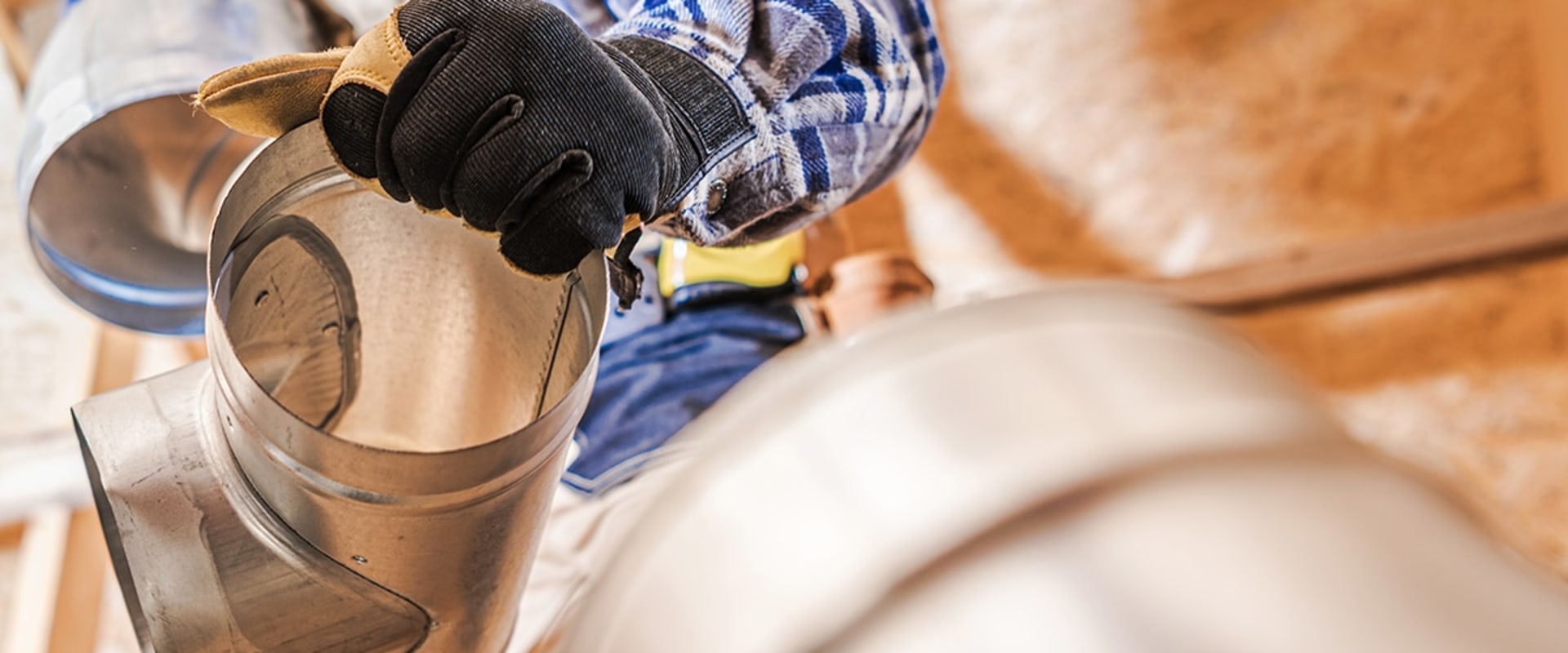
In today's world, where comfort and air quality are paramount, the role of an HVAC technician has never been more critical. HVAC, which stands for heating, ventilation, and air conditioning, encompasses a range of systems that regulate indoor environments in homes, offices, and industrial settings. These professionals are the backbone of climate control, ensuring that spaces remain comfortable regardless of external weather conditions. Without their expertise, our ability to enjoy a pleasant atmosphere would be severely compromised.The responsibilities of an HVAC technician extend far beyond mere installation and repair.
They are skilled tradespeople who possess a deep understanding of complex systems that include furnaces, air conditioners, heat pumps, and ventilation units. Their work involves diagnosing issues, performing routine maintenance, and implementing energy-efficient solutions that not only enhance comfort but also contribute to sustainability efforts. As energy costs rise and environmental concerns grow, the importance of these technicians in promoting efficient energy use cannot be overstated.Moreover, the significance of an HVAC technician goes beyond technical skills; it encompasses customer service and problem-solving abilities. Technicians often interact directly with clients to assess their needs and provide tailored solutions.
This aspect of their job requires effective communication skills and a commitment to customer satisfaction. As they navigate various challenges—from emergency repairs to routine maintenance—their adaptability and knowledge become invaluable assets in maintaining the integrity of HVAC systems.In summary, HVAC technicians play a vital role in our daily lives by ensuring that we have access to comfortable and healthy indoor environments. Their expertise not only enhances our quality of life but also supports broader goals related to energy efficiency and environmental stewardship. As we delve deeper into the various facets of this profession, it becomes clear that the contributions of HVAC technicians are essential for both individual comfort and societal well-being.
What Does an HVAC Technician Do?
HVAC technicians play a crucial role in ensuring that heating, ventilation, and air conditioning systems operate efficiently and effectively.Their daily tasks encompass a wide range of responsibilities that are essential for maintaining indoor comfort and air quality.
Installation of HVAC Systems
- One of the primary duties of an HVAC technician is the installation of new heating and cooling systems. This involves assessing the specific needs of a building, selecting appropriate equipment, and determining optimal placement for maximum efficiency.
- During installation, technicians connect various components such as ductwork, thermostats, and electrical systems, ensuring everything is set up according to local codes and manufacturer specifications.
Maintenance Services
- Regular maintenance is vital for the longevity and efficiency of HVAC systems. Technicians perform routine checks that include cleaning filters, inspecting ducts for leaks, and testing system controls.
- They also provide preventative maintenance services to identify potential issues before they escalate into costly repairs. This proactive approach helps ensure that systems run smoothly throughout their operational lifespan.
Repair Work
- When HVAC systems malfunction, technicians are called to diagnose and repair the issues.
This may involve troubleshooting problems with heating units, air conditioners, or refrigeration systems.
- Technicians utilize specialized tools and equipment to identify faults, replace defective parts, and restore systems to full functionality. Their expertise is critical in minimizing downtime for both residential and commercial clients.
Customer Interaction
- A significant aspect of an HVAC technician's job involves interacting with customers. They must communicate effectively to explain issues, recommend solutions, and provide estimates for services.
- Building rapport with clients is essential for fostering trust and ensuring customer satisfaction. Technicians often educate homeowners on how to maintain their systems between service visits.
Their work not only enhances comfort but also contributes significantly to energy efficiency and safety in homes and businesses alike.
The Importance of HVAC Systems in Modern Life
In today's fast-paced world, the significance of HVAC systems cannot be overstated. These systems are integral to maintaining a comfortable and healthy environment in both residential and commercial settings. The importance of HVAC systems extends beyond mere temperature control; they play a vital role in enhancing indoor air quality, ensuring energy efficiency, and promoting overall well-being.One of the primary benefits of HVAC systems is their ability to regulate indoor temperatures effectively. In homes, they provide warmth during the cold winter months and cool air during the sweltering summer heat.This temperature regulation is crucial not only for comfort but also for health. Extreme temperatures can lead to health issues, particularly for vulnerable populations such as the elderly and young children. By maintaining a stable indoor climate, HVAC systems help prevent heat-related illnesses and respiratory problems that can arise from poor air circulation.Moreover, HVAC systems significantly contribute to indoor air quality. They filter out pollutants, allergens, and dust particles, creating a healthier living and working environment.
This is especially important in commercial spaces where many individuals congregate, as poor air quality can lead to decreased productivity and increased absenteeism. Regular maintenance of these systems ensures that filters are clean and functioning optimally, further enhancing air quality.Energy efficiency is another critical aspect of modern HVAC systems. With rising energy costs and growing environmental concerns, energy-efficient HVAC solutions have become essential. These systems are designed to consume less energy while providing optimal performance.
By investing in high-efficiency units and regular maintenance, homeowners and businesses can significantly reduce their energy bills while minimizing their carbon footprint.In summary, the role of HVAC systems in our daily lives is multifaceted. They not only provide comfort through temperature control but also enhance health by improving air quality and promoting energy efficiency. As we continue to prioritize sustainability and well-being in our living and working environments, the importance of reliable HVAC systems will only grow.
Skills Required to Become an HVAC Technician
To thrive as an HVAC technician, a diverse set of skills and qualifications is essential. This profession demands not only technical expertise but also a range of soft skills that enable technicians to effectively address the needs of their clients.Technical Knowledge
At the core of an HVAC technician's role is a solid foundation in technical knowledge.This includes:
- Understanding HVAC Systems: Technicians must be well-versed in the various components of heating, ventilation, and air conditioning systems, including furnaces, heat pumps, air conditioners, and ductwork.
- Electrical Knowledge: A strong grasp of electrical systems is crucial, as many HVAC units rely on electrical components for operation. Technicians should be able to read wiring diagrams and troubleshoot electrical issues.
- Refrigeration Principles: Knowledge of refrigeration cycles and the properties of refrigerants is vital for those working with cooling systems.
Problem-Solving Abilities
HVAC technicians frequently encounter complex issues that require quick thinking and effective problem-solving skills. They must be able to:- Diagnose Issues: Identifying the root cause of a malfunction is essential for efficient repairs. Technicians often use diagnostic tools and their experience to pinpoint problems.
- Implement Solutions: Once a problem is diagnosed, technicians must devise and implement effective solutions, often under time constraints.
Physical Requirements
The job of an HVAC technician can be physically demanding.Technicians should possess:
- Stamina: The ability to lift heavy equipment, climb ladders, and work in confined spaces is often required.
- Manual Dexterity: Fine motor skills are necessary for handling tools and performing intricate repairs.
Qualifications and Training
A high school diploma or equivalent is typically the minimum educational requirement for aspiring HVAC technicians. Many choose to pursue further education through vocational schools or community colleges that offer specialized training programs. These programs often cover:- Theory and Practical Skills: Courses usually include both theoretical knowledge and hands-on training in real-world scenarios.
- Certifications: Obtaining certifications from recognized organizations can enhance job prospects and demonstrate proficiency in specific areas of HVAC technology.
Education and Training Pathways for HVAC Technicians
Becoming an HVAC technician requires a combination of education, hands-on training, and certifications to ensure that individuals are well-prepared for the demands of the job.The pathways to entering this field can vary significantly, but they generally include obtaining a high school diploma, pursuing vocational training, engaging in apprenticeships, and acquiring relevant certifications.
High School Diploma
The first step for aspiring HVAC technicians is typically earning a high school diploma or its equivalent. This foundational education provides essential skills in mathematics, physics, and basic mechanical principles, which are crucial for understanding HVAC systems. Students are encouraged to take courses in subjects such as:
- Mathematics
- Physics
- Computer Science
- Technical Drawing
- Electronics
Vocational Training Programs
After completing high school, many individuals choose to enroll in vocational training programs specifically designed for HVAC technicians. These programs are often offered at community colleges or technical schools and typically last from six months to two years.
During this time, students learn about:
- Heating systems (furnaces and boilers)
- Cooling systems (air conditioners and chillers)
- Refrigeration techniques
- Ventilation systems
- Electrical systems related to HVAC
- Safety protocols and regulations
Apprenticeships
An apprenticeship is another critical pathway for those looking to become HVAC technicians. These programs combine on-the-job training with classroom instruction, allowing apprentices to earn while they learn. Typically lasting 3-5 years, apprenticeships provide:
- Real-world experience under the supervision of experienced technicians
- The opportunity to develop troubleshooting skills in various settings
- A chance to learn about customer service and business operations within the HVAC industry
Certifications
To further enhance their qualifications, many HVAC technicians pursue certifications from recognized organizations. Certifications can demonstrate expertise and commitment to the profession.
Some of the most sought-after certifications include:
- EPA Section 608 Certification: Required for handling refrigerants.
- NATE Certification: North American Technician Excellence certification that validates knowledge in specific areas of HVAC.
- HVAC Excellence Certification: Recognizes proficiency in various HVAC disciplines.
Challenges Faced by HVAC Technicians
Being an HVAC technician is a rewarding career, but it comes with its own set of challenges that can make the job demanding. Understanding these challenges is crucial for anyone considering this profession, as it helps to prepare for the realities of the work environment.Physical Demands
One of the most significant challenges faced by HVAC technicians is the physical nature of the job. Technicians often find themselves:- Working in cramped spaces, such as attics and basements, where maneuverability is limited.
- Lifting heavy equipment and tools, which can lead to strain and injury if proper lifting techniques are not employed.
- Spending long hours on their feet, which can be exhausting and lead to fatigue.
Irregular Hours
Another challenge is the irregular hours that HVAC technicians often have to work. Many HVAC systems require maintenance or repair outside of regular business hours, leading to:- Evening and weekend shifts, which can disrupt personal life and family time.
- On-call responsibilities that may require technicians to respond to emergency calls at any hour.
Safety Concerns
Safety is a paramount concern in the HVAC industry.Technicians frequently work with hazardous materials and equipment, which poses various risks:
- Exposure to refrigerants that can be harmful if inhaled or improperly handled.
- The risk of electrical shock when working with wiring and electrical components.
- Potential injuries from tools and machinery if safety protocols are not followed.
The Future of the HVAC Industry
The HVAC industry is on the brink of significant transformation, driven by technological advancements and evolving consumer expectations. As we look to the future, several key trends are emerging that will shape the landscape of HVAC systems and the role of HVAC technicians.Emerging Trends in HVAC Technology
One of the most notable trends is the integration of smart technology into HVAC systems. Smart thermostats, for instance, allow homeowners to control their heating and cooling remotely via smartphones, optimizing energy usage and enhancing comfort.This shift towards automation not only improves efficiency but also requires technicians to be well-versed in these new technologies.Additionally, there is a growing emphasis on energy efficiency and sustainability. With increasing awareness of climate change, consumers are seeking HVAC solutions that minimize environmental impact. This has led to a rise in demand for systems that utilize renewable energy sources, such as solar-powered HVAC units. Technicians will need to adapt by acquiring knowledge about these systems and their installation processes.
Job Outlook for HVAC Technicians
The job outlook for HVAC technicians remains strong, with the U.S. Bureau of Labor Statistics projecting a growth rate of 5% from 2021 to 2031. This growth is fueled by the ongoing need for installation and maintenance of HVAC systems in both residential and commercial settings. As older systems are replaced with more efficient models, technicians will play a crucial role in this transition.Moreover, as technology continues to evolve, there will be an increasing demand for technicians who possess advanced skills in diagnostics and troubleshooting. The ability to work with sophisticated software and smart devices will become essential.
Continuous education and training will be vital for technicians to stay competitive in this rapidly changing field.
Importance of Continuous Learning
To thrive in the future HVAC landscape, technicians must embrace lifelong learning. Engaging in professional development opportunities, such as workshops and certification programs focused on new technologies, will be crucial. By staying updated with industry trends and advancements, technicians can enhance their skill sets and provide better service to their clients.In conclusion, the future of the HVAC industry is bright, filled with opportunities for those willing to adapt and grow. As technology advances and consumer preferences shift towards more efficient solutions, HVAC technicians who invest in their education and skills will find themselves at the forefront of this evolving industry.FAQs About HVAC Technicians
As the demand for comfortable indoor environments continues to grow, many people have questions about the role of an HVAC technician.Below are some frequently asked questions that provide clarity on this essential profession.
What does an HVAC technician do?
An HVAC technician is responsible for the installation, maintenance, and repair of heating, ventilation, and air conditioning systems. Their work ensures that these systems operate efficiently and effectively, providing comfort in homes and businesses. Technicians may also perform energy audits to help clients improve system efficiency and reduce energy costs.What qualifications are needed to become an HVAC technician?
To become an HVAC technician, individuals typically need a high school diploma or equivalent. Many technicians pursue formal training through vocational schools or community colleges, where they can earn certificates or associate degrees in HVAC technology.Additionally, hands-on experience through apprenticeships is crucial for developing practical skills.
Are certifications necessary for HVAC technicians?
While not always mandatory, obtaining certifications can enhance job prospects and demonstrate expertise. Certifications from organizations such as the Environmental Protection Agency (EPA) or North American Technician Excellence (NATE) are highly regarded in the industry. These credentials indicate that a technician is knowledgeable about safety standards and best practices.What are common misconceptions about HVAC jobs?
- Myth: HVAC technicians only work in extreme weather conditions.
- Fact: While technicians may occasionally work in challenging environments, they also perform routine maintenance indoors and in controlled settings.
- Myth: The job is only about fixing broken systems.
- Fact: A significant part of an HVAC technician's role involves preventive maintenance to avoid breakdowns and ensure optimal performance.
- Myth: You need a four-year degree to succeed in this field.
- Fact: Many successful technicians have built rewarding careers with vocational training and hands-on experience without a traditional college degree.
Conclusion: The Vital Role of HVAC Technicians in Our Lives
In summary, the role of an HVAC technician is indispensable in our daily lives, impacting both our comfort and safety.As we have explored throughout this article, these skilled professionals are not just responsible for installing and maintaining heating, ventilation, and air conditioning systems; they are also crucial in ensuring that these systems operate efficiently and effectively.From the installation of new units to the routine maintenance checks that prevent unexpected breakdowns, HVAC technicians play a multifaceted role. Their expertise helps to:
- Enhance Indoor Air Quality: By ensuring that ventilation systems are functioning properly, HVAC technicians help maintain clean air in our homes and workplaces.
- Improve Energy Efficiency: Regular maintenance and timely repairs can significantly reduce energy consumption, leading to lower utility bills and a smaller carbon footprint.
- Ensure Safety: Properly functioning HVAC systems reduce the risk of hazardous situations, such as carbon monoxide leaks or overheating equipment.
As we rely on these systems to regulate our indoor environments, we must also appreciate the expertise and dedication of those who keep them running smoothly. In conclusion, investing in skilled HVAC professionals is an investment in our well-being and quality of life.