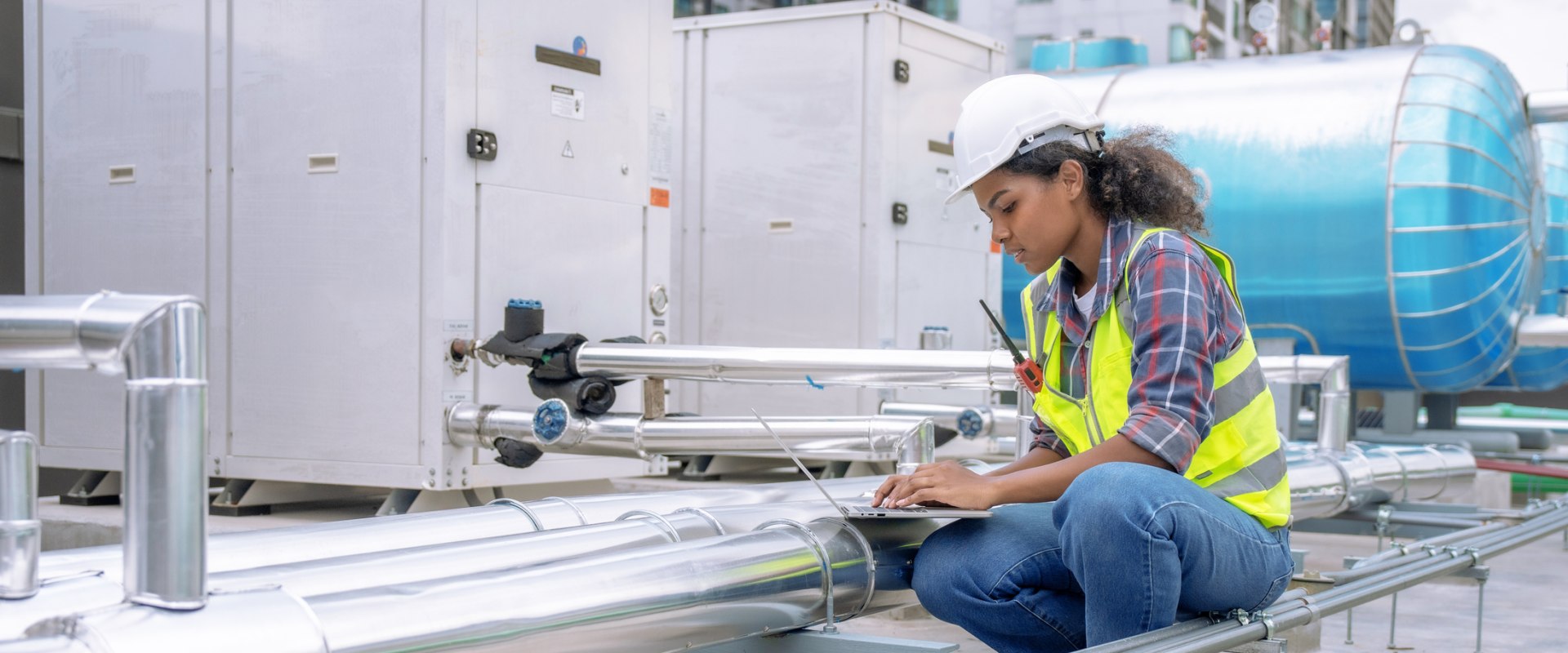
In the ever-evolving landscape of modern technology, the role of an HVAC technician has become increasingly vital. These skilled professionals are responsible for the installation, maintenance, and repair of heating, ventilation, and air conditioning systems that ensure comfort and safety in residential and commercial spaces. As climate control becomes more sophisticated, HVAC technicians are at the forefront of implementing advanced systems that not only regulate temperature but also enhance indoor air quality, making it essential for aspiring technicians to seek guidance from an educational consultant.The daily responsibilities of an HVAC technician are diverse and dynamic. They begin their day by reviewing work orders and assessing the specific needs of each job. In the ever-evolving landscape of modern technology, the role of an HVAC technician has become increasingly vital. These skilled professionals are responsible for the installation, maintenance, and repair of heating, ventilation, and air conditioning systems that ensure comfort and safety in residential and commercial spaces. As climate control becomes more sophisticated, HVAC technicians are at the forefront of implementing advanced systems that not only regulate temperature but also enhance indoor air quality, making it essential for aspiring technicians to seek guidance from an educational consultant.The daily responsibilities of an HVAC technician are diverse and dynamic. They begin their day by reviewing work orders and assessing the specific needs of each job.
This may involve installing new heating or cooling units, troubleshooting existing systems, or performing routine maintenance checks to ensure optimal performance. Technicians must be adept at reading blueprints and technical diagrams, as well as using a variety of tools and equipment to complete their tasks efficiently. Additionally, they often interact with clients to explain issues and recommend solutions, making strong communication skills essential.To excel in this field, HVAC technicians must possess a unique blend of technical knowledge and practical skills. A solid understanding of electrical systems, refrigeration principles, and mechanical components is crucial.
Moreover, technicians should be familiar with local building codes and safety regulations to ensure compliance during installations and repairs. Problem-solving abilities are also paramount; technicians frequently encounter unexpected challenges that require quick thinking and innovative solutions. As technology advances, familiarity with smart HVAC systems and digital diagnostic tools is becoming increasingly important.In summary, the role of an HVAC technician is multifaceted and requires a combination of technical expertise, problem-solving skills, and effective communication. As demand for skilled professionals in this field continues to grow, those considering a career as an HVAC technician can look forward to a rewarding path filled with opportunities for advancement and specialization.
Educational Pathways to Becoming an HVAC Technician
To embark on a successful career as an HVAC technician, aspiring professionals must navigate a series of educational pathways that equip them with the necessary skills and knowledge.The journey typically begins with obtaining a high school diploma or a General Educational Development (GED) certificate, which serves as the foundational requirement for further training.Following high school, many individuals choose to enroll in vocational training programs specifically designed for HVAC technology. These programs are often offered at community colleges, technical schools, and trade schools. The duration of these programs can vary, typically ranging from six months to two years, depending on the depth of training and specialization. During this time, students gain hands-on experience and theoretical knowledge in areas such as:
- Heating systems
- Air conditioning units
- Refrigeration techniques
- Electrical systems
- Safety protocols
One of the most recognized certifications in the industry is the North American Technician Excellence (NATE) certification. This certification demonstrates a technician's proficiency in various HVAC systems and their ability to troubleshoot and resolve issues effectively. To earn NATE certification, candidates must pass rigorous exams that cover essential topics related to HVAC technology.Moreover, ongoing education is crucial in this ever-evolving field. As technology advances, HVAC technicians must stay updated on the latest innovations, energy-efficient practices, and regulatory changes.
Many employers encourage or require their technicians to participate in continuing education courses or workshops to maintain their skills and knowledge.In summary, becoming an HVAC technician involves a combination of formal education, vocational training, and certification. By investing in their education and committing to lifelong learning, aspiring technicians can position themselves for success in a promising career that plays a vital role in maintaining comfortable indoor environments.
Job Market and Demand for HVAC Technicians
The job market for HVAC technicians in the United States is currently thriving, driven by a combination of technological advancements, increased focus on energy efficiency, and a growing demand for climate control solutions. According to the Bureau of Labor Statistics (BLS), the employment of heating, air conditioning, and refrigeration mechanics and installers is projected to grow by 6% from 2021 to 2031, which is faster than the average for all occupations. This growth is indicative of the essential role HVAC technicians play in maintaining comfortable indoor environments.Several factors contribute to this robust demand.Firstly, the ongoing trend towards smart home technology has led to an increase in the installation and maintenance of advanced HVAC systems that require skilled technicians. These systems often incorporate features such as programmable thermostats and energy-efficient components that not only enhance comfort but also reduce energy consumption.Moreover, as more homeowners become aware of the importance of indoor air quality, there is a rising need for HVAC professionals who can install and maintain air purification systems and ventilation solutions. This shift towards healthier living environments further amplifies the demand for qualified technicians.
States with High Demand
While opportunities exist nationwide, certain states exhibit particularly high demand for HVAC technicians. States such as California , Texas , Florida , and New York are at the forefront due to their large populations and diverse climates, which necessitate effective heating and cooling solutions.- California: With its varied climate zones, California consistently ranks high in HVAC job openings.
The state’s commitment to energy efficiency also drives demand for skilled technicians.
- Texas: The rapid population growth in Texas has led to an increased need for HVAC services in both residential and commercial sectors.
- Florida: Known for its hot and humid climate, Florida sees a constant need for air conditioning services, making it a prime location for HVAC professionals.
- New York: The diverse weather conditions in New York create a steady demand for both heating and cooling systems, ensuring job stability for HVAC technicians.
Technological Advancements in the HVAC Industry
The HVAC industry is undergoing a remarkable transformation driven by technological advancements that are reshaping how systems are designed, installed, and maintained. These innovations not only enhance the efficiency of heating, ventilation, and air conditioning systems but also improve the overall user experience and job performance for HVAC technicians.Smart HVAC Systems
One of the most significant trends in the HVAC sector is the integration of smart technology.Smart HVAC systems allow homeowners to control their heating and cooling remotely through smartphones or tablets. This capability is made possible by the Internet of Things (IoT), which connects various devices to a central network. Homeowners can adjust temperatures, monitor energy usage, and receive alerts for maintenance needs, all from the convenience of their mobile devices.These systems often include features such as:
- Programmable Thermostats: These devices learn user preferences over time and adjust settings automatically to optimize comfort and energy savings.
- Energy Monitoring: Smart systems provide real-time data on energy consumption, helping users identify areas where they can reduce costs.
- Remote Diagnostics: Technicians can access system data remotely to diagnose issues before arriving on-site, saving time and improving service efficiency.
Energy Efficiency Innovations
The push for energy efficiency is another critical aspect of technological advancements in HVAC. New systems are designed to consume less energy while providing optimal performance.For instance, variable refrigerant flow (VRF) systems allow for precise temperature control in different zones of a building, significantly reducing energy waste.Additionally, advancements in insulation materials, heat pumps, and solar-assisted HVAC systems contribute to lower energy consumption. These innovations not only benefit the environment but also lead to substantial cost savings for homeowners and businesses alike.
The Impact on HVAC Jobs
The rise of technology in the HVAC industry is also influencing job roles and responsibilities. Technicians are now required to possess a blend of traditional mechanical skills and modern technological expertise. Familiarity with smart systems and diagnostic tools is becoming essential for success in this field.As a result, training programs are evolving to include courses on smart technology integration, energy management systems, and advanced troubleshooting techniques.This shift ensures that HVAC professionals are well-equipped to meet the demands of a rapidly changing industry.In conclusion, technological advancements are not just enhancing HVAC systems; they are redefining the entire industry landscape. From smart home integration to energy-efficient solutions, these innovations present exciting opportunities for both consumers and professionals in the field.
The Importance of Indoor Air Quality (IAQ)
Indoor air quality (IAQ) is a crucial aspect of our daily lives, significantly impacting our health, comfort, and overall well-being. Poor IAQ can lead to a range of health issues, including respiratory problems, allergies, and even chronic diseases. As such, the role of HVAC technicians in maintaining and improving indoor air quality cannot be overstated.Common indoor air pollutants include:- Volatile Organic Compounds (VOCs): These are emitted from various household products such as paints, cleaning agents, and building materials.
- Particulate Matter: Dust, pollen, and pet dander can accumulate in indoor spaces, contributing to respiratory issues.
- Mold and Mildew: High humidity levels can lead to mold growth, which poses serious health risks.
- Carbon Dioxide (CO2): Elevated levels can occur in poorly ventilated spaces, leading to headaches and fatigue.
- Biological Contaminants: Bacteria and viruses can thrive in stagnant air, increasing the risk of illness.
Modern HVAC systems are designed to enhance IAQ by:
- Improving Ventilation: Proper ventilation helps dilute indoor pollutants by bringing in fresh outdoor air. HVAC technicians ensure that ventilation systems are correctly installed and maintained to optimize airflow.
- Utilizing Advanced Filtration: High-efficiency particulate air (HEPA) filters can capture a significant percentage of airborne particles. Technicians can recommend and install appropriate filters based on the specific needs of a building.
- Controlling Humidity Levels: Maintaining optimal humidity levels (between 30% and 50%) is essential for preventing mold growth. HVAC systems equipped with dehumidifiers help regulate moisture levels effectively.
- Implementing Smart Technology: Many modern HVAC systems come with smart technology that monitors air quality in real-time.
Technicians can integrate these systems to provide homeowners with alerts about poor IAQ conditions.
Career Advancement Opportunities for HVAC Technicians
The HVAC industry offers a wealth of career advancement opportunities for technicians who are eager to grow and specialize in their field. As the demand for skilled HVAC professionals continues to rise, so do the pathways for career progression. Technicians can enhance their skills and knowledge through various avenues, leading to more advanced roles and increased earning potential.One of the most common paths for advancement is through specialization.HVAC technicians can choose to focus on specific areas such as:
- Refrigeration: Technicians specializing in refrigeration systems work with commercial and industrial cooling systems, including walk-in freezers and ice machines. This specialization often requires additional training and certification but can lead to lucrative positions in food service and manufacturing industries.
- Energy Management: With a growing emphasis on energy efficiency, technicians can pursue careers in energy management. This involves optimizing HVAC systems to reduce energy consumption and costs, making it a vital role in both residential and commercial settings.
- Indoor Air Quality (IAQ): As awareness of indoor air quality increases, technicians can specialize in systems that improve air quality through filtration, ventilation, and humidity control. This specialization is particularly relevant in healthcare facilities and schools.
- Smart HVAC Systems: The rise of smart technology in HVAC systems presents opportunities for technicians to work with advanced systems that integrate IoT (Internet of Things) capabilities.
This includes installing and maintaining smart thermostats and automated climate control systems.
As sustainability becomes a priority, technicians who are knowledgeable about green technologies will be in high demand. This includes expertise in renewable energy sources like solar heating systems or geothermal heating and cooling solutions.In conclusion, the career advancement opportunities for HVAC technicians are vast and varied. By specializing in specific areas, pursuing leadership roles, obtaining certifications, and staying abreast of industry trends, technicians can build rewarding careers that not only meet the growing demands of the market but also contribute positively to environmental sustainability.
Challenges Faced by HVAC Technicians
While a career as an HVAC technician can be rewarding, it is not without its challenges. Understanding these challenges is essential for anyone considering this profession, as they can significantly impact job satisfaction and performance.Working Conditions
HVAC technicians often work in a variety of environments, which can range from residential homes to commercial buildings and industrial sites.This diversity means that technicians must be adaptable and prepared for different working conditions. Some common challenges include:
- Extreme Temperatures: Technicians frequently work in hot attics or cold basements, which can be physically taxing. The need to perform repairs or installations in such conditions requires stamina and resilience.
- Variable Hours: Many HVAC jobs require technicians to be on call, leading to irregular hours. This can disrupt personal life and make it challenging to maintain a work-life balance.
- Physical Demands: The job often involves heavy lifting, climbing ladders, and working in cramped spaces.
Technicians must be physically fit to handle the demands of the job effectively.
Safety Concerns
Safety is a paramount concern in the HVAC industry. Technicians face various risks that require strict adherence to safety protocols:- Electrical Hazards: Working with electrical systems poses a risk of shock or electrocution. Proper training and safety gear are essential to mitigate these dangers.
- Exposure to Chemicals: HVAC technicians often handle refrigerants and other chemicals that can be harmful if not managed correctly. Understanding Material Safety Data Sheets (MSDS) and using appropriate protective equipment is crucial.
- Working at Heights: Many installations require technicians to work on rooftops or ladders, increasing the risk of falls.
Safety harnesses and proper ladder techniques are vital for preventing accidents.
Conclusion: The Future of the HVAC Technician Career
As we look towards the future, the career of an HVAC technician stands out as a beacon of opportunity and growth. The HVAC industry is not just expanding; it is evolving in response to technological advancements and changing consumer needs. With a projected 6% increase in demand for heating, air conditioning, and refrigeration mechanics and installers over the next nine years, this field offers a stable and promising career path.One of the most compelling aspects of becoming an HVAC technician is the diverse range of skills that professionals can acquire.From mastering traditional heating and cooling systems to embracing cutting-edge technologies like smart home integration and energy-efficient solutions, technicians are at the forefront of innovation. This adaptability not only enhances job security but also opens doors to specialization in areas such as renewable energy systems, which are becoming increasingly relevant in today’s environmentally conscious society.The importance of indoor air quality (IAQ) has never been more pronounced. As homeowners become more aware of the health implications associated with poor air quality, the demand for skilled technicians who can install and maintain advanced air purification systems will continue to rise. This trend underscores the critical role that HVAC technicians play in ensuring safe and comfortable living environments.Moreover, the financial prospects for HVAC technicians are promising.
With relatively low barriers to entry in terms of education and training, many individuals can enter this field without incurring significant student debt. The potential for competitive salaries, especially for those who pursue certifications such as NATE (North American Technician Excellence), further enhances its appeal.In conclusion, a career as an HVAC technician is not only viable but also rewarding. With ongoing advancements in technology, a growing emphasis on energy efficiency, and an increasing focus on indoor air quality, this profession is poised for sustained growth. For those seeking a fulfilling career that combines technical skills with the opportunity to make a positive impact on people's lives, the HVAC field offers a bright future.